
Italy Events, Attractions & Tickets
Live prices for concerts, sports, theatre, attractions and experiences across Italy.
Attractions & Experiences in Rome
See all Attractions & Experiences in Rome
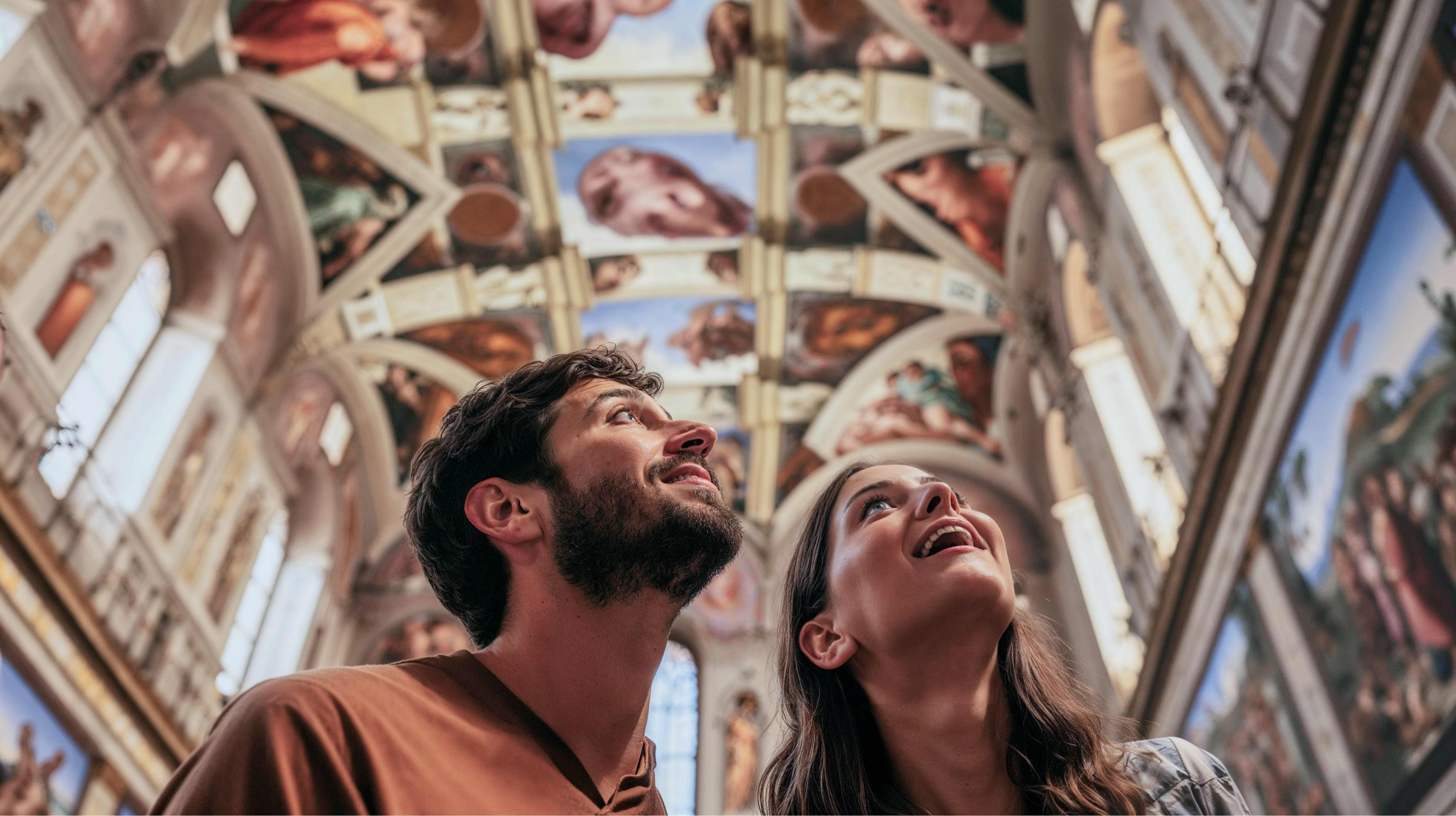
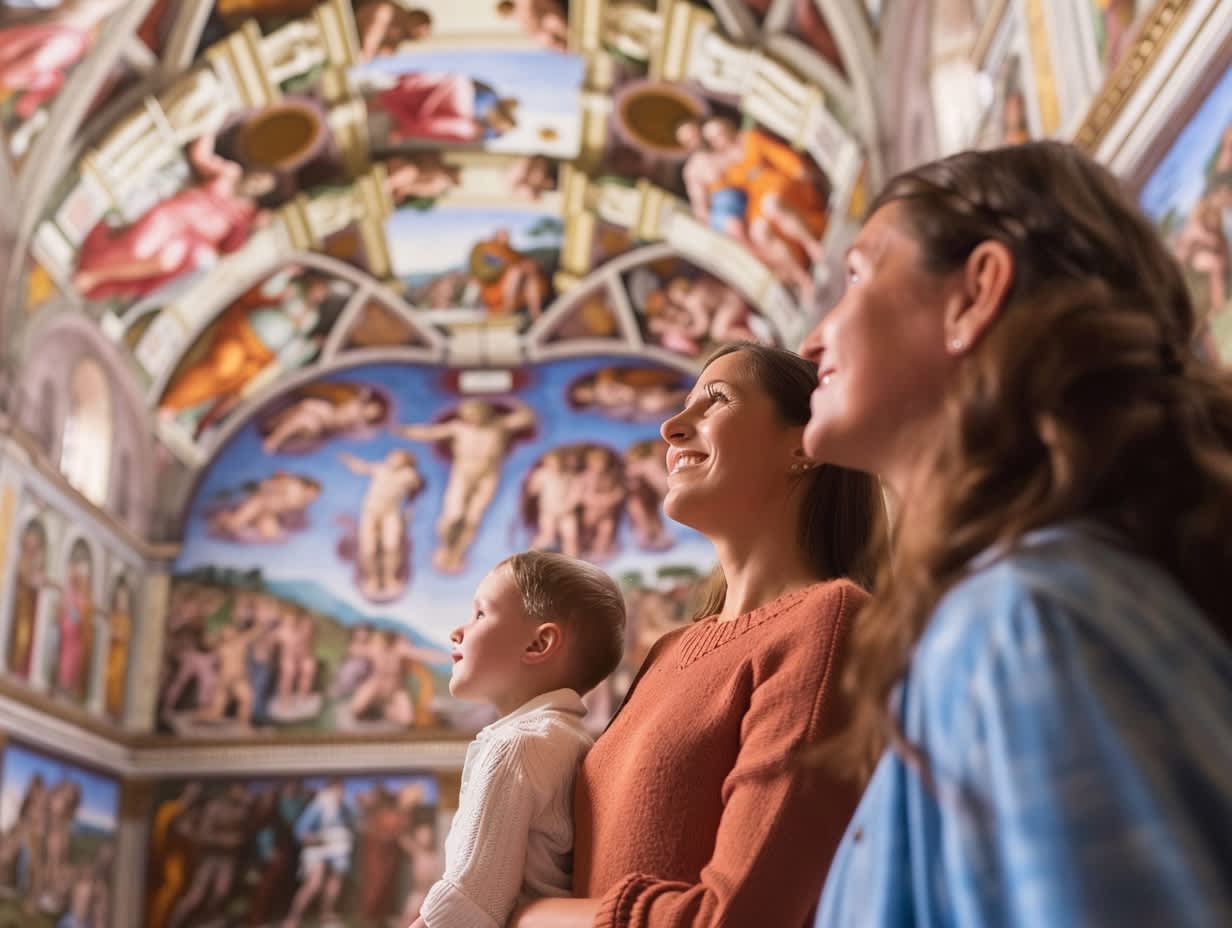
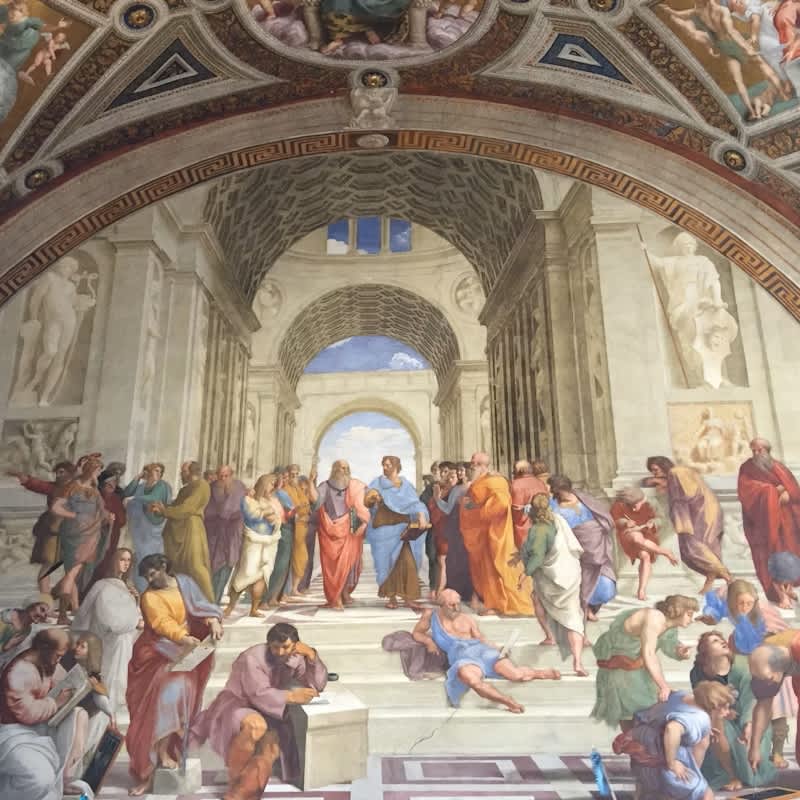
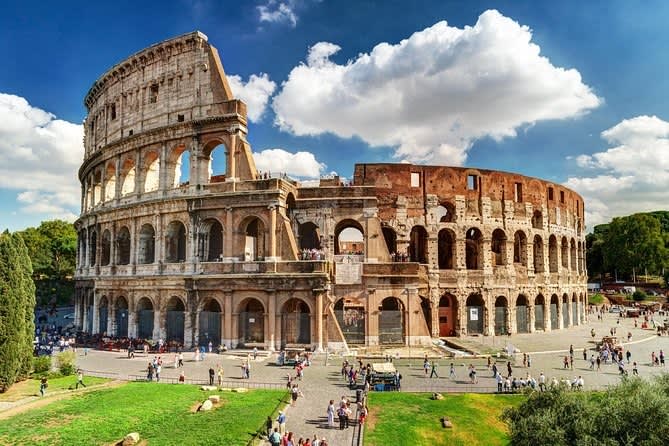





Events in Rome





About Italy
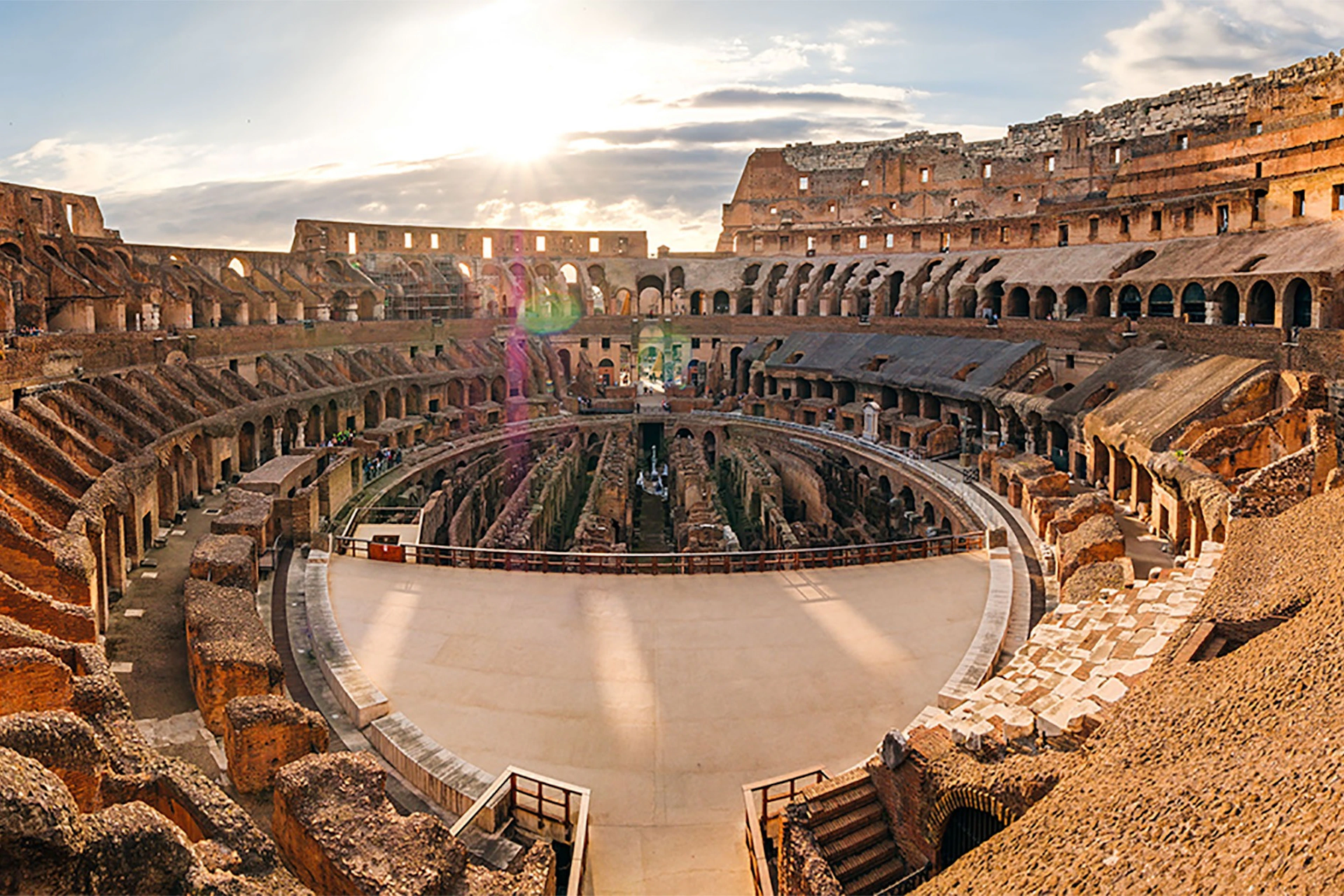
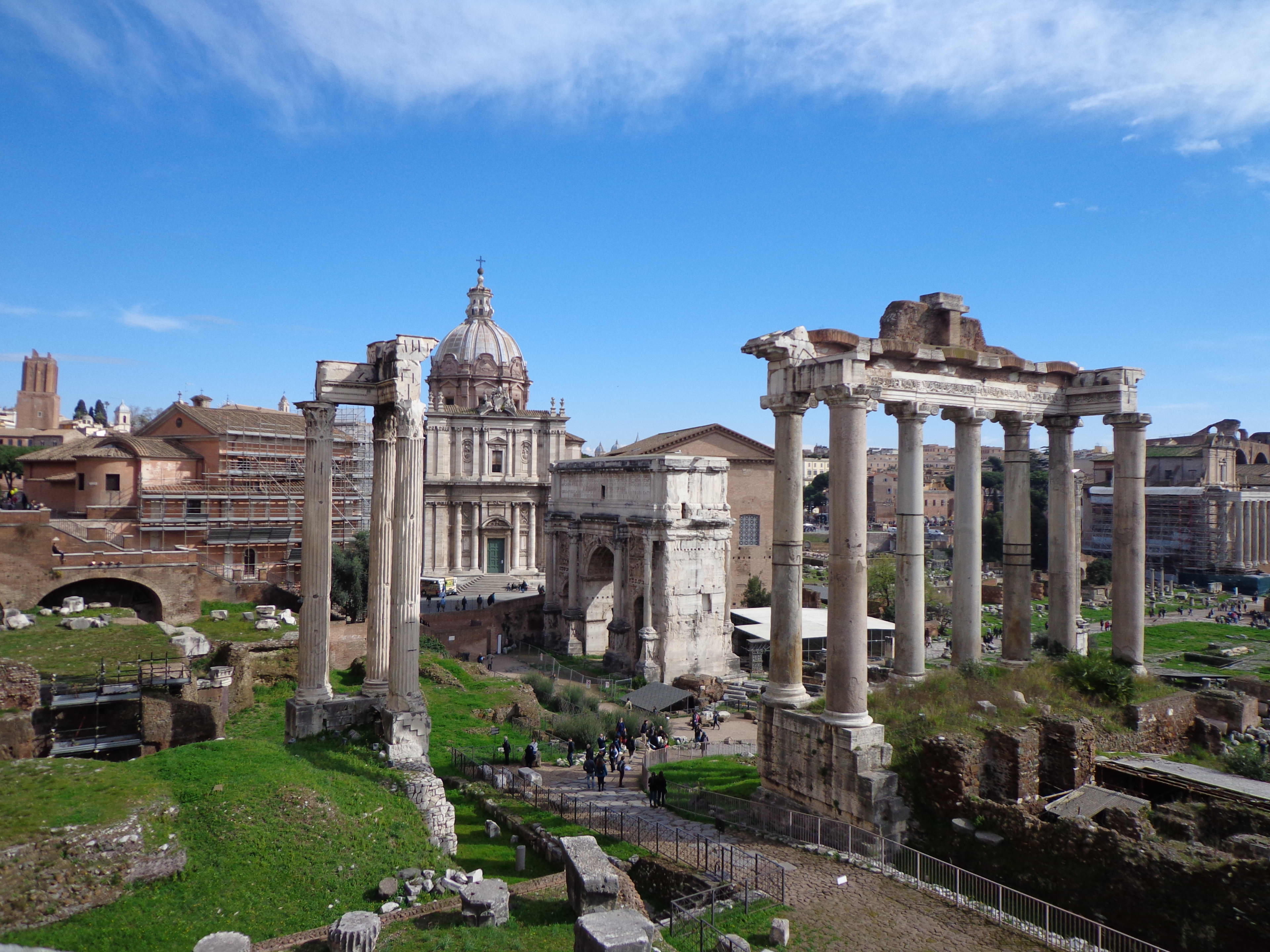
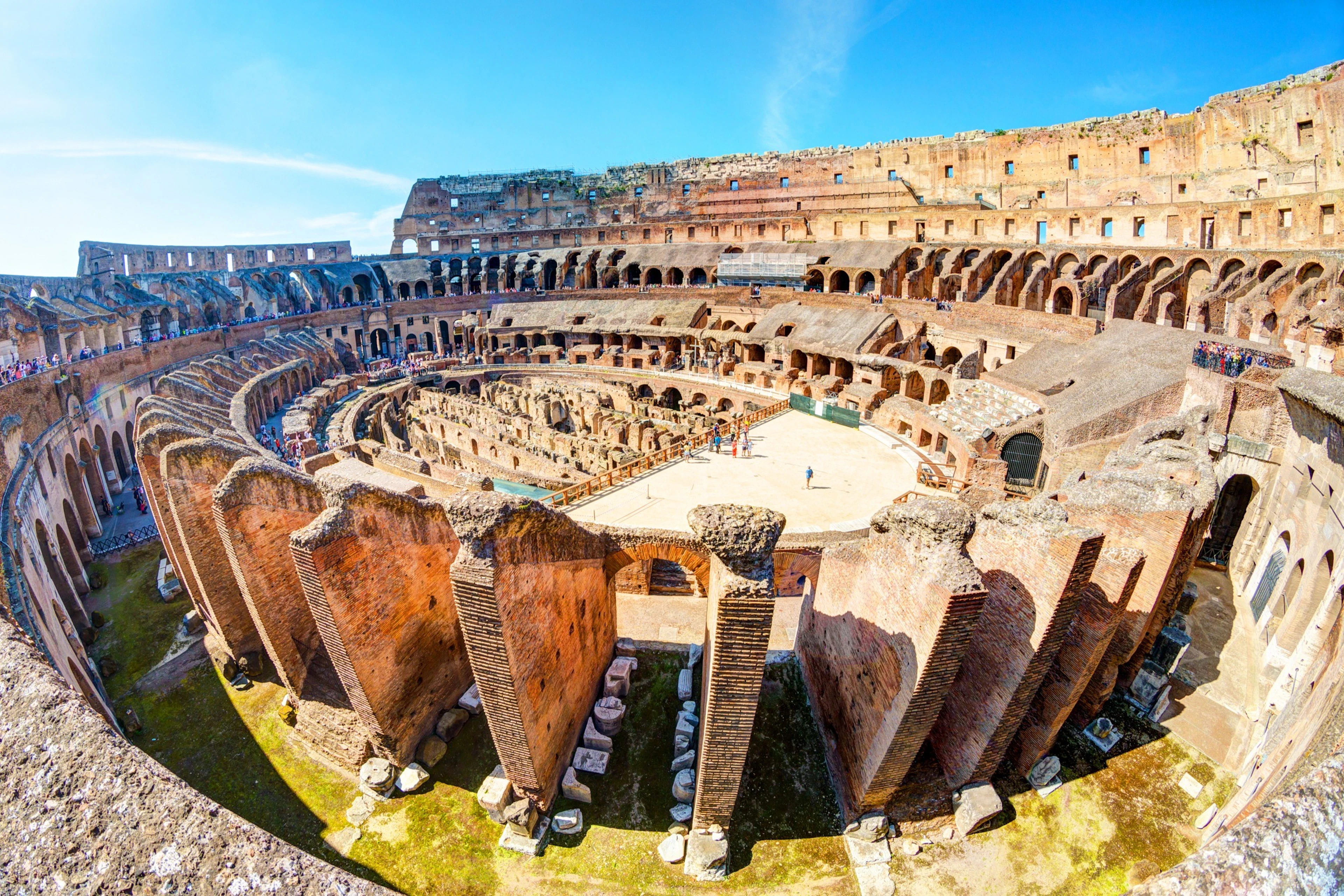
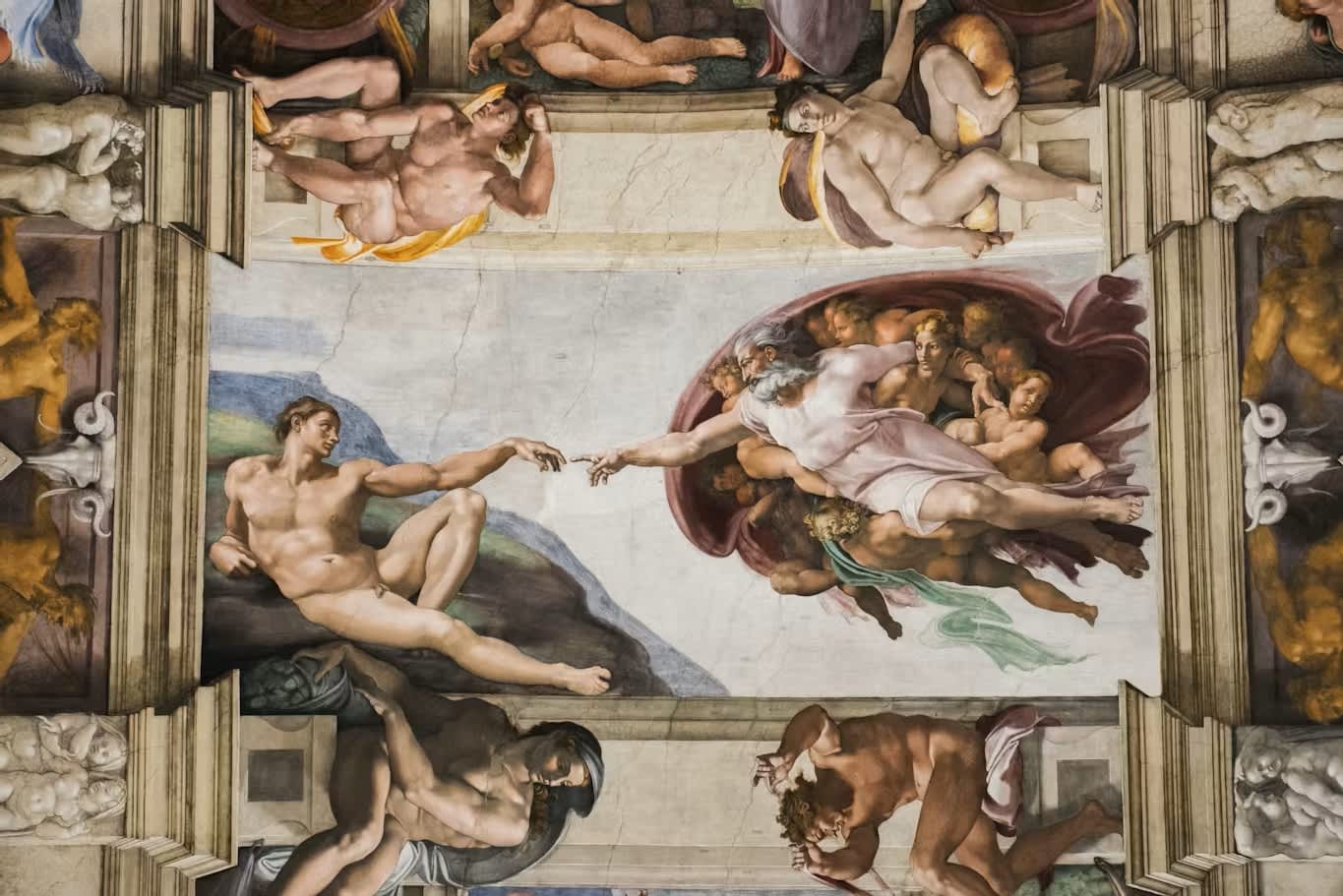
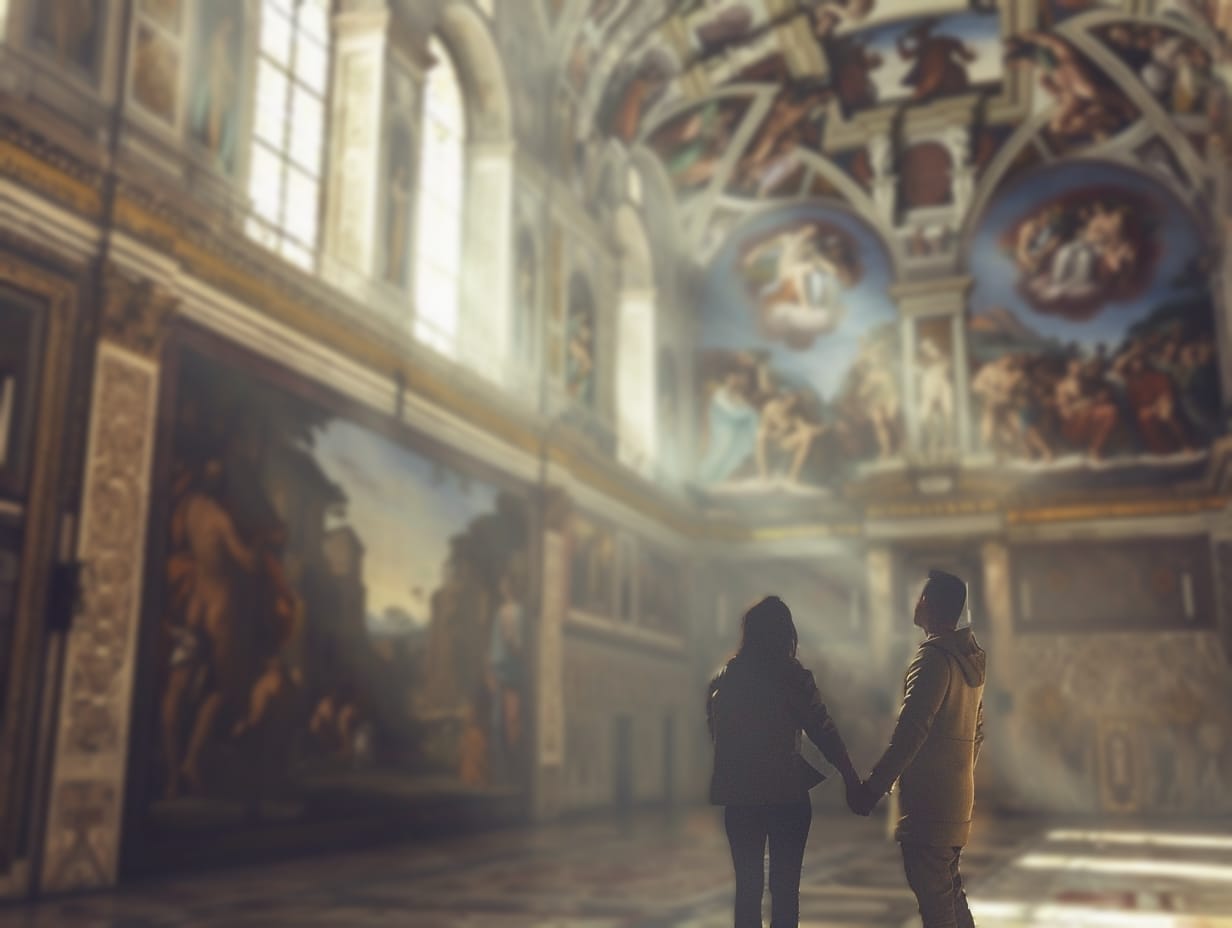
Italy packs more UNESCO World Heritage sites than any country on earth, and its cities are open-air museums where two thousand years of history sit a short walk apart. In Rome you can stand inside the Colosseum, trace the Roman Forum and cross the Vatican border into the Sistine Chapel in a single day. Florence cradles the Renaissance, from Michelangelo's David to Brunelleschi's terracotta dome, while Venice trades roads for canals and Milan blends Gothic spires with global fashion.
The headline attractions are wildly popular, which is why skip-the-line tickets are practically essential here. Queues at the Vatican Museums, the Uffizi Gallery and the Colosseum can swallow two or three hours in summer, so timed-entry passes and small-group guided tours save the part of your trip you actually came for. Booking ahead also secures scarce slots, such as Leonardo's Last Supper in Milan, where only a few hundred visitors are admitted each day.
Beyond the icons, Italy rewards slow travel: aperitivo in a Milanese piazza, a sunset gondola through quiet back canals, or Tuscan day trips to Pisa and Siena. Spring and early autumn bring the kindest weather and thinner crowds, while shoulder-season tickets often cost less. Whatever season you choose, reserving the marquee sights in advance keeps the days flexible.

Frequently asked questions
Do I need to book attraction tickets in advance in Italy?
For the biggest sights, yes. The Colosseum, Vatican Museums, Uffizi Gallery and Milan's Last Supper regularly sell out their timed slots days or weeks ahead in peak season. Booking online secures your entry time and lets you skip the standard ticket line, which can run two to three hours in summer.
What is a skip-the-line ticket and is it worth it?
Skip-the-line (or priority) tickets give you a reserved entry window so you bypass the long general-admission queue. In Italy's major museums and monuments the time saved is significant, often two or more hours in high season, making them well worth the small premium over a standard ticket.
Is there a dress code for visiting churches in Italy?
Yes. Major churches including St Peter's Basilica, the Sistine Chapel, St Mark's Basilica and most cathedrals require covered shoulders and knees for both men and women. Carry a light scarf or shawl in summer; visitors in shorts, short skirts or sleeveless tops are routinely turned away at the door.
When is the best time of year to visit Italy?
April to early June and September to October offer warm but comfortable weather, lighter crowds and frequently lower prices than July and August. Summer brings intense heat in cities like Rome and Florence, while winter is quiet and mild in the south, though some sites keep shorter hours.
What currency is used and how much do attractions cost?
Italy uses the euro. Individual attraction tickets typically range from about EUR 10 to EUR 30, while guided skip-the-line tours of the Colosseum or Vatican usually fall between EUR 30 and EUR 80 depending on group size and inclusions. Cards are widely accepted, but carry some cash for small cafes and tips.